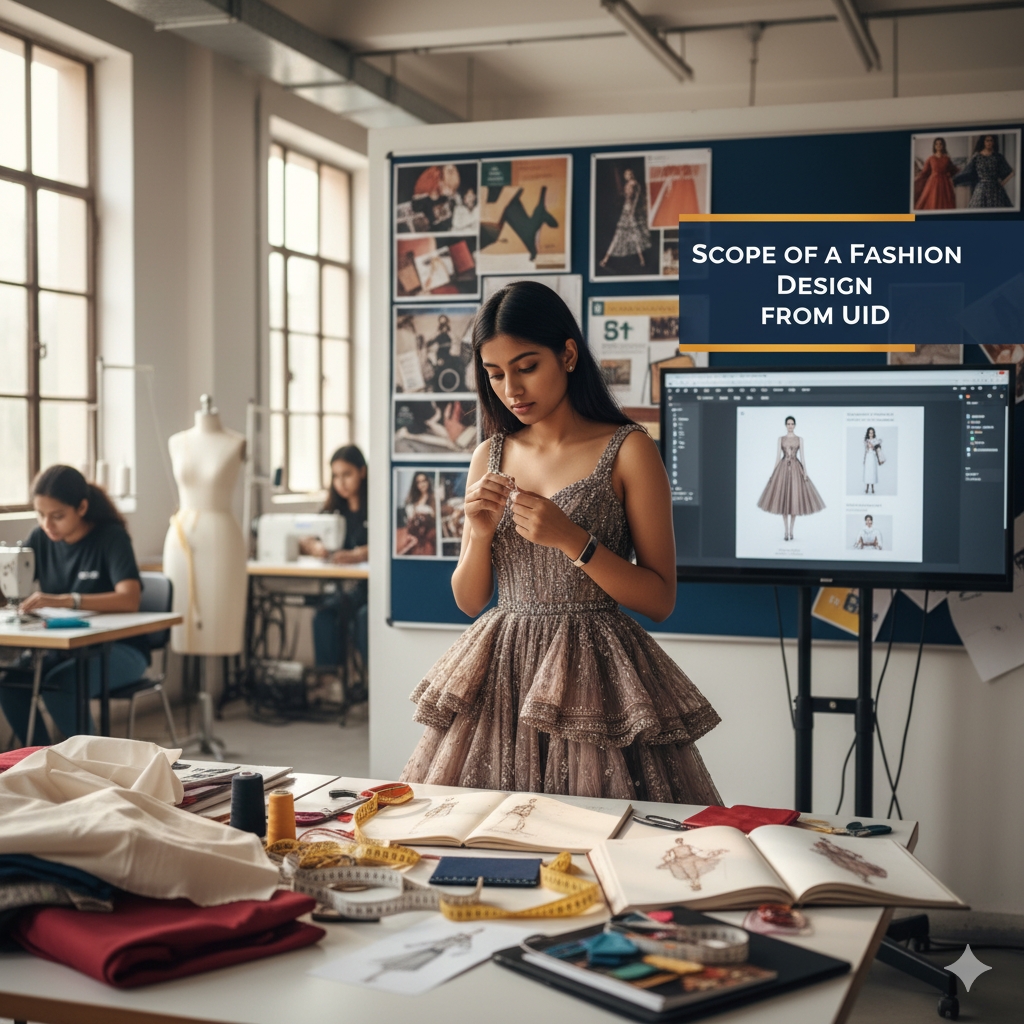
Leather Design is a specialized field of fashion and product design that focuses on creating innovative and functional products using leather and allied materials. It blends creativity with technical skills to produce items such as handbags, footwear, belts, jackets, wallets, accessories, and even upholstery. A leather designer must understand both the artistic aspects of design and the scientific processes of tanning, dyeing, and finishing leather. The profession demands knowledge of textures, durability, market trends, consumer behavior, and sustainable practices since leather is both a traditional and a luxury material.
Unlike general fashion design, leather design is more material-specific. Designers are trained to work with different grades of leather, synthetic substitutes, and eco-friendly alternatives. They also learn to integrate modern technology like CAD (Computer-Aided Design) to sketch patterns, test color combinations, and finalize prototypes before production.
There are two main routes to enter this profession:
1. Undergraduate Degree in Leather Design (B.Des in Leather Design)
Eligibility:
Completion of 10+2 from a recognized board.
Any stream (Science, Commerce, or Arts) is eligible, but students with a background in Arts/Design/Science may find it easier.
Entrance exams are usually required. For example, premier institutes conduct design aptitude tests that check creativity, problem-solving, and general awareness.
Duration: 4 years (8 semesters).
Curriculum:
Basics of design and sketching.
Leather processing and material technology.
CAD for leather design.
Footwear design, bag design, and accessory making.
Product development and prototype making.
Marketing, consumer behavior, and trend forecasting.
Sustainable practices in leather production.
Internships and industry projects.
Fees:
In India, fees range from ₹2.5 lakh to ₹3.5 lakh per year in reputed institutes.
The total cost for a 4-year program can be around ₹10–14 lakh.
Private colleges may charge slightly higher, while government-supported institutes are more affordable.
Additional Costs:
Studio materials, tools, leather swatches, and portfolio preparation: ₹30,000–₹50,000 per year.
Hostel and living expenses: ₹60,000–₹1.2 lakh per year depending on the city.
2. Postgraduate Degree in Leather Design (M.Des or PG Diploma)
Eligibility:
Bachelor’s degree in Design, Fine Arts, Engineering, Architecture, or related fields.
Entrance test + portfolio + interview.
Duration: 2 years.
Fees: Around ₹3–4 lakh per year, totaling ₹6–8 lakh for the entire course.
Specialization Options: Footwear design, luxury leather goods, sustainable materials, and accessory design.
3. Diploma and Certificate Programs
Eligibility: 10+2 or even 10th pass in some cases.
Duration: 6 months to 2 years.
Fees: Between ₹50,000–₹2 lakh depending on the institution and course level.
These are shorter courses focused on technical training and practical skills rather than full-scale design development.
Creative sketching and visualization.
Knowledge of leather grades, finishes, and substitutes.
Technical skills in pattern making and prototyping.
Familiarity with fashion trends and consumer preferences.
Business sense to understand costing, pricing, and branding.
Proficiency in digital design tools (CAD, Illustrator, Photoshop).
Sustainability awareness to balance fashion with eco-friendly materials.
Graduates in leather design can work in various sectors:
Fashion Houses & Luxury Brands – designing handbags, jackets, belts, wallets.
Footwear Industry – sports shoes, formal footwear, or designer brands.
Export Houses – working on large-scale international projects.
Furniture & Interiors – luxury leather upholstery, car interiors.
Freelancing/Entrepreneurship – starting one’s own leather accessory brand.
Research & Sustainability Projects – developing alternatives to animal leather.
Salary Range:
Freshers: ₹3–5 lakh per annum.
With experience: ₹6–12 lakh per annum in established brands.
Independent designers or entrepreneurs can earn significantly more depending on demand and reputation.
High demand in luxury goods, footwear, and accessories.
Scope for entrepreneurship with relatively low investment in small product lines.
International exposure due to global demand for leather goods.
Creative satisfaction in designing functional yet stylish products.
If you are passionate about design, enjoy working with materials, and want a career that combines artistry with global opportunities, leather design can be a rewarding path.